What Questions Should I Ask My Gastroenterologist?
Walking into your first gastroenterology appointment prepared makes a real difference. Dr. Muni Reddy at MIMAS Health Care, Indiranagar shares the questions every patient should ask their GI specialist in Bengaluru.
Dr. Muni Reddy
6/28/2026
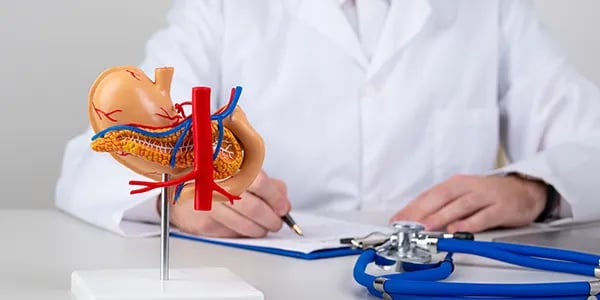
What Questions Should I Ask My Gastroenterologist?
Most people walk into a specialist appointment underprepared. They spend weeks worrying about their symptoms, then sit in the consultation room and forget half of what they wanted to ask. The doctor answers what's asked, the appointment ends, and they leave with answers to questions they didn't have — and no answers to the ones they did.
A gastroenterology consultation is not a one-way examination. It's a conversation. And the quality of that conversation directly affects the quality of your care.
This guide gives you the exact questions worth asking — organised by what stage of care you're at.
Before You Go: Write Your Questions Down
This sounds obvious. Most people don't do it.
Write your questions down before your appointment at MIMAS Health Care in Indiranagar. Include your symptoms in order of severity, how long you've had them, what makes them better or worse, and any medications you're currently taking — prescribed or over the counter.
Dr. Muni Reddy conducts unhurried consultations specifically so patients have the time to go through their list. Use that time.
Questions to Ask About Your Symptoms
Start here. Before any diagnosis or treatment discussion, make sure you understand what the doctor thinks is going on and why.
What do you think is causing my symptoms?
What are the most likely possibilities, and what are we trying to rule out?
Are any of my symptoms concerning to you — and if so, which ones?
Could my diet, lifestyle, or medications be contributing to this?
Is this something that tends to get worse over time if left untreated?
If the doctor gives you a possible diagnosis at this stage, follow up with: "How confident are you in this diagnosis, and what would change that?"
Questions to Ask About Tests and Investigations
If your gastroenterologist recommends investigations — blood tests, imaging, endoscopy, or colonoscopy — don't just nod and accept the referral. Understand what's being looked for and why.
What tests do I need, and what are you looking for with each one?
Do I need an endoscopy or colonoscopy — and if so, how urgent is it?
How do I prepare for the procedure, and what should I avoid beforehand?
Who will be performing the procedure — you personally, or someone else?
When will I get my results, and how will they be communicated to me?
What happens if the results come back normal — does that rule out everything serious?
That third question — who will actually perform the procedure — is worth asking at any clinic. At MIMAS Health Care, Dr. Muni Reddy personally performs all endoscopies and surgical procedures for his own patients. That isn't always the case at larger hospitals where a consultant sees you in OPD but a resident performs the procedure.
Questions to Ask About Your Diagnosis
Once a diagnosis is confirmed — or even provisionally suggested — these questions help you understand what you're actually dealing with.
What exactly is this condition, and how does it affect my digestive system?
Is this condition chronic, or is it something that can fully resolve?
How serious is it — and what happens if it's not treated?
Does this condition increase my risk of anything else, including cancer?
Should my family members be screened or tested for anything related to this?
Are there things I might have done differently that contributed to this — and should I change them now?
That last question is one patients rarely ask but often want to know. A good gastroenterologist will give you an honest, non-judgmental answer.
Questions to Ask About Treatment Options
This is where many patients passively accept the first recommendation without understanding their full range of options. Don't.
What are all my treatment options — including non-surgical ones?
What are the benefits and risks of each option?
What do you personally recommend, and why?
Is surgery necessary right now, or is there a non-surgical approach we should try first?
What happens if I choose not to treat this immediately — is that a safe option?
How long will treatment take to show results?
Are there lifestyle or dietary changes that could reduce my symptoms or slow progression?
At MIMAS Health Care in Indiranagar, Dr. Muni Reddy always explores the least invasive path first. Surgery is recommended only when it's clearly the best option — not the default. If you're ever unsure whether surgery is being recommended too quickly, it's completely reasonable to ask for time to consider, or to seek a second opinion.
Questions to Ask If a Procedure Is Recommended
Whether it's an endoscopy, colonoscopy, ERCP, or laparoscopic surgery, you should understand exactly what you're agreeing to before you agree to it.
What does this procedure involve, step by step?
Will I be sedated or under general anaesthesia?
How long will the procedure take, and how long will I be at the clinic?
What are the risks and how common are complications?
Will I need someone to drive me home afterwards?
How long is the recovery, and when can I return to work and normal activity?
What should I watch out for after the procedure — what symptoms would mean something is wrong?
When will I get the results, and what happens next depending on what you find?
Don't leave without understanding what the recovery looks like and what would constitute a warning sign that needs attention.
Questions to Ask About Follow-Up Care
The consultation doesn't end when you leave the clinic. Make sure you understand what ongoing care looks like.
When should I come back for a follow-up appointment?
What symptoms should prompt me to call you before my next scheduled visit?
Do I need to make any permanent dietary or lifestyle changes, or just temporary ones?
Will I need repeat tests or procedures in the future — and how often?
Is there anything I should monitor at home, and if so, what am I looking for?
Can I contact the clinic directly if I have questions between appointments?
Questions It's Always Worth Asking — Regardless of Your Situation
These are the questions patients often think of in the car on the way home:
Is there anything about my case that concerns you that we haven't discussed?
Is there anything I should read or look into before my next appointment?
Are there any red flag symptoms I should watch for and treat as urgent?
Is there a second opinion you'd recommend if I want one — and would that concern you?
A confident, experienced specialist like Dr. Muni Reddy will never be bothered by a patient asking for a second opinion. It's a sign you're taking your health seriously — which makes the doctor's job easier, not harder.
One Thing Most Patients Forget to Ask
"Is there anything you expected to find that you didn't — and does that change anything?"
This question often surfaces useful information that wouldn't come up otherwise. If a test comes back normal, understanding what that does and doesn't rule out is just as important as a positive finding.
What to Expect at MIMAS Health Care, Indiranagar
Dr. Muni Reddy sees patients at MIMAS Health Care seven days a week, 9 AM to 8 PM. First consultations are structured to cover your full symptom history, relevant investigations, and a clear plan — not a rushed 10-minute assessment.
If you've been putting off seeing a GI Surgeon in Bengaluru because you weren't sure what to expect or what to ask, this list is your starting point. Bring it with you.
Book Your Consultation
MIMAS Health Care, 73, 4th Cross Rd, Stage 2, Hoysala Nagar, Indiranagar, Bengaluru – 560038
Call +91 99000 05864 or book online through our appointment page. Open 9 AM – 8 PM, 7 days a week.
MIMAS Health Care
World Class Surgical Gastro and Superspeciality Centre
Sitemap
Home
Services
Dr. Muni Reddy
Blog
Contact
Clinic Location
73, 4th Cross Rd, Stage 2, Hoysala Nagar, Indiranagar, Bengaluru, Karnataka 560038 Indirangar, Bengaluru, Karnataka 560038
Phone: +91 99000 05864
© 2026 MIMAS Health Care-Advanced surgical gastroenterology and hepatology in Bengaluru.