What Is a Gastroenterology Consultation? What to Expect During Your Visit
Not sure what happens during a gastroenterology consultation? Dr. Muni Reddy at MIMAS Health Care, Indiranagar walks you through exactly what to expect — from arrival to your treatment plan.
Dr. Muni Reddy
6/28/2026
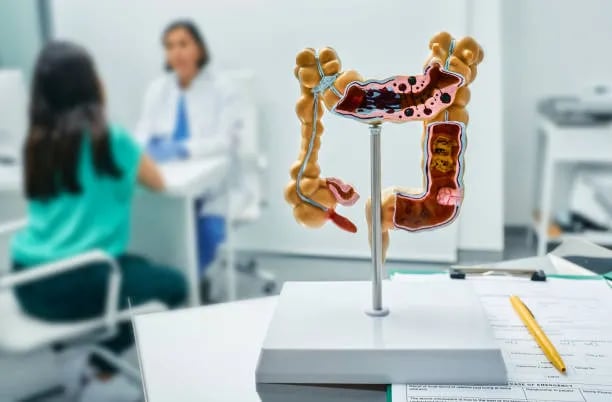
What Is a Gastroenterology Consultation? What to Expect During Your Visit
For most people, a gastroenterology consultation is their first time seeing a specialist for a digestive concern. That unfamiliarity — not knowing what the doctor will ask, what they might find, or what happens next — is often what makes the appointment feel more daunting than it needs to be.
This guide removes that uncertainty. Here is exactly what a gastroenterology consultation at MIMAS Health Care in Indiranagar looks like — from the moment you arrive to the moment you leave with a clear plan.
What Is a Gastroenterology Consultation?
A gastroenterology consultation is a focused clinical appointment with a specialist in digestive health. Unlike a visit to a general physician — where the doctor manages a broad range of conditions with limited depth — a gastroenterology consultation is specifically designed to investigate, diagnose, and plan treatment for conditions affecting the digestive system.
This includes the oesophagus, stomach, small intestine, large intestine, liver, gallbladder, and pancreas. At MIMAS Health Care in Indiranagar, Dr. Muni Reddy is both a gastroenterologist and a GI Surgeon — meaning the same doctor who sees you in consultation can also perform your endoscopy, colonoscopy, or surgery if required. You are never passed between departments.
Before Your Appointment: What to Prepare
A good consultation starts before you walk through the door. To make the most of your time with Dr. Muni Reddy, bring the following:
A clear summary of your symptoms
When did they start? How often do they occur? What makes them better or worse? Have they changed over time? The more specific you can be, the faster the doctor can build an accurate picture.
A list of all medications you're currently taking
This includes prescription medications, over-the-counter drugs, supplements, and antacids. Many digestive symptoms are directly caused or worsened by medications — particularly NSAIDs, blood thinners, and certain antibiotics.
Any previous investigation reports
If you've had blood tests, stool tests, ultrasounds, CT scans, or previous endoscopy or colonoscopy reports, bring them. Even if they were done years ago, they provide valuable context.
Your family medical history
Digestive conditions including colorectal cancer, liver disease, inflammatory bowel disease, and gallbladder disease can run in families. Knowing your family history helps Dr. Muni Reddy assess your risk profile accurately.
A written list of questions
Patients consistently say they forget their most important questions once they're in the room. Write them down beforehand. At MIMAS Health Care, consultations are unhurried — there is time to go through your list.
What Happens When You Arrive
When you arrive at MIMAS Health Care in Indiranagar, the front desk team will confirm your appointment and note your basic details. You may be asked to fill in a brief intake form covering your symptoms, medical history, and current medications — this gives Dr. Muni Reddy a head start before he sees you.
The clinic is open 9 AM to 8 PM, seven days a week, and consultations run by appointment. You won't be sitting in a crowded waiting room for an hour past your scheduled time.
Part One: Taking Your History
The consultation begins with Dr. Muni Reddy taking a detailed clinical history. This is the most important part of the appointment — and the part that most separates a thorough gastroenterologist from a rushed one.
He will ask about:
Your current symptoms
What are you experiencing, and where exactly?
When did the symptoms start, and have they changed?
Are they constant or intermittent?
Do they relate to eating, bowel movements, stress, or activity?
How severely are they affecting your daily life?
Your digestive history
Have you had similar symptoms before?
Have you ever had an endoscopy, colonoscopy, or abdominal surgery?
Do you have any diagnosed digestive conditions?
Your general health and lifestyle
What does your diet typically look like?
Do you smoke or drink alcohol — and if so, how much?
How is your sleep, stress level, and overall energy?
Have you noticed any changes in weight?
Your medications
What are you currently taking, and for how long?
Have you tried any medications for your current symptoms — and did they help?
Your family history
Has anyone in your immediate family had colorectal cancer, liver disease, inflammatory bowel disease, or other digestive conditions?
This part of the consultation typically takes 10 to 20 minutes. Do not rush it — the history is what guides every decision that follows.
Part Two: The Physical Examination
After taking your history, Dr. Muni Reddy will perform a focused physical examination. For a gastroenterology consultation, this typically includes:
Abdominal examination
He will feel your abdomen carefully — checking for tenderness, swelling, organ enlargement, or any abnormal masses. He will also listen to bowel sounds with a stethoscope and check for fluid accumulation if liver disease is suspected.
General examination
Depending on your symptoms, he may check for jaundice (yellowing of the eyes or skin), signs of anaemia, or swelling in the legs — all of which can indicate underlying digestive or liver conditions.
The examination is straightforward and not uncomfortable. It takes approximately 5 to 10 minutes and significantly narrows the list of possible diagnoses.
Part Three: Investigations
Based on your history and examination, Dr. Muni Reddy will recommend any investigations needed to confirm or rule out a diagnosis. These may include:
Blood tests
A full blood count, liver function tests, kidney function, inflammatory markers, and specific tests for conditions like celiac disease or H. pylori infection. Blood tests are usually done at an external lab and results are available within 24 to 48 hours.
Stool tests
Used to detect infection, inflammation, occult blood, or signs of malabsorption. Simple, non-invasive, and often very informative.
Ultrasound or imaging
An abdominal ultrasound is commonly recommended to visualise the liver, gallbladder, pancreas, and kidneys. CT or MRI scans are reserved for more complex situations.
Upper GI Endoscopy
A camera examination of the oesophagus, stomach, and duodenum. Recommended when symptoms suggest GERD, ulcers, difficulty swallowing, or upper abdominal pain that hasn't responded to treatment.
Colonoscopy
A camera examination of the entire large intestine. Recommended for blood in stool, significant change in bowel habits, inflammatory bowel disease, or colorectal cancer screening.
Not every patient needs every investigation. Dr. Muni Reddy orders what is clinically indicated for your specific situation — not a blanket panel of tests to cover all possibilities.
Part Four: The Diagnosis and Treatment Plan
Once your history, examination, and initial investigations are reviewed, Dr. Muni Reddy will explain his findings clearly — in plain language, not clinical jargon.
He will tell you:
What he thinks is causing your symptoms
What the investigations are looking for and what different results would mean
What your treatment options are — starting with the least invasive
What he personally recommends and why
What you should do before your next appointment
What symptoms would require you to contact the clinic urgently
If a diagnosis is confirmed during the first visit, you leave with a treatment plan. If investigations are needed first, you leave with a clear next step and a follow-up appointment scheduled.
At MIMAS Health Care in Indiranagar, no patient leaves a consultation without understanding what happens next. Uncertainty is not part of the process.
How Long Does a Gastroenterology Consultation Take?
A first consultation at MIMAS Health Care typically takes 30 to 45 minutes. This includes the history, examination, discussion of investigations, and treatment planning.
Follow-up consultations — where the history is already established and the focus is on reviewing results or monitoring progress — are typically shorter, around 15 to 20 minutes.
If an endoscopy or colonoscopy is scheduled on the same day as your consultation, allow additional time for the procedure and recovery — typically 1.5 to 3 hours in total.
What to Do After Your Consultation
Before you leave, make sure you:
Understand exactly what investigations have been ordered and where to get them done
Have a follow-up appointment scheduled or know when to call for one
Know what symptoms should prompt you to contact the clinic before your next visit
Have Dr. Muni Reddy's recommended treatment or lifestyle changes noted down
Have kept copies of any prescriptions and reports
If you think of questions after your appointment — which often happens — the team at MIMAS Health Care is reachable at +91 99000 05864 during clinic hours.
Book Your Gastroenterology Consultation in Indiranagar
MIMAS Health Care, 73, 4th Cross Rd, Stage 2, Hoysala Nagar, Indiranagar, Bengaluru – 560038
Dr. Muni Reddy sees patients 7 days a week, 9 AM to 8 PM. Call +91 99000 05864 or book online through our appointment page.
MIMAS Health Care
World Class Surgical Gastro and Superspeciality Centre
Sitemap
Home
Services
Dr. Muni Reddy
Blog
Contact
Clinic Location
73, 4th Cross Rd, Stage 2, Hoysala Nagar, Indiranagar, Bengaluru, Karnataka 560038 Indirangar, Bengaluru, Karnataka 560038
Phone: +91 99000 05864
© 2026 MIMAS Health Care-Advanced surgical gastroenterology and hepatology in Bengaluru.